November 20, 2026
Keeping a residential yard thick, green, and soft underfoot takes more than weekly mowing and occasional watering during warm summer afternoons. Over months of family cookouts, backyard games, pet traffic, and heavy rainstorms, the soil beneath your grass blades gradually presses down into a dense, hardened layer. Once soil becomes tightly packed, grass roots struggle to push deeper underground, leaving your turf thin, patchy, and quick to turn brown whenever hot weather arrives.
According to MyWild, for cool-season lawns, aeration is best done roughly 7 to 3 weeks before the first frost, typically from late August through September in the northern tier. Scheduling core aeration opens up small channels in the turf so oxygen, rainwater, and nutrients can travel straight down to the root zone where plants actually need them. Learning how this straightforward seasonal service strengthens turf from the roots up helps homeowners protect their yard's appearance for years to come.
A healthy lawn starts with loose, breathable soil that supports steady root growth through changing temperatures. When roots can stretch downward without hitting hard clay or dense thatch, your grass stays greener during summer dry spells and bounces back faster after winter snow melts. Paying attention to what happens beneath the surface makes every mowing and fertilization visit far more effective.
Relieving Soil Compaction from Everyday Foot Traffic
Every time kids run across the yard, lawn mowers roll along weekly routes, or heavy rain beats down on clay-rich earth, soil particles squeeze closer together. Compacted soil loses the tiny air pockets that healthy roots rely on to breathe and expand outward. When those microscopic spaces disappear, grass blades grow weaker above ground and bare dirt patches begin showing up in high-traffic paths.
Booking regular aeration pulls small plugs of soil out of the ground, immediately relieving surface pressure across compacted turf. Those open holes give tight soil room to expand and loosen naturally as moisture moves through the yard. Relieving compaction creates a welcoming underground environment where turf roots can spread freely again.
Breaking Down Thick Thatch Layers Naturally
Between the green blades of grass and the soil surface sits a layer of dead stems, roots, and organic clippings known as thatch. A thin layer of thatch helps cushion the lawn and hold moisture, yet when thatch builds up thicker than half an inch, it acts like a dense sponge that blocks water and fertilizer from reaching the soil below. Excess thatch also traps dampness right at the surface, creating an inviting home for lawn pests and fungal diseases.
Performing core aeration punches directly through heavy thatch mats and brings plugs of living soil up onto the surface. Naturally occurring microbes inside those soil plugs help break down the dead organic thatch layer much faster over the following weeks. Keeping thatch under control lets your lawn breathe cleanly without choking out fresh new shoots.
Improving Water Absorption and Reducing Runoff
If you have ever watched sprinkler water or summer rain pool on top of your grass and run off toward the driveway, compacted soil is usually the reason. Hardened ground repels water instead of soaking it in evenly, wasting irrigation water and leaving roots thirsty just inches below the surface. Shallow watering habits caused by poor absorption train grass roots to stay near the top layer of soil, making the yard vulnerable during dry spells.
Investing in seasonal aeration creates thousands of tiny reservoirs across your lawn that catch rainwater and guide it deep underground. Moisture penetrates straight down into the root zone rather than evaporating on the surface or washing mulch out of nearby garden beds. Better water absorption keeps grass hydrated longer while cutting down on wasted water.
Boosting Nutrient Uptake from Lawn Fertilization
Applying granular or liquid fertilizer across a tightly compacted yard often delivers disappointing results because nutrients sit trapped above the root zone. Without open pathways into the soil, valuable nitrogen, phosphorus, and potassium wash away during the next rainstorm before grass roots ever absorb them. Getting full value out of your seasonal lawn care program requires opening the soil surface first.
Pairing lawn fertilization with core aeration allows nutrients to drop straight into the open soil channels right beside active roots. Grass plants absorb those minerals quickly, fueling thicker blade density and richer green color across the entire property. Smart timing turns standard fertilizer applications into noticeable, long-lasting turf improvements.
Encouraging Deeper Root Growth for Weather Resilience
Grass with shallow roots struggles the moment summer heat waves hit, or winter freezes settle into the ground. Deep, fibrous root systems anchor turf firmly and pull moisture from lower soil layers long after the top inch of dirt dries out. Building strong roots is the single best way to help a lawn bounce back quickly from seasonal stress without constant watering.
Scheduling annual aeration stimulates roots to grow downward into the newly opened channels filled with air and moisture. As roots stretch deeper each autumn, the lawn develops stronger natural resistance to summer drought, heavy foot traffic, and harsh winter winds. Deeper roots create a tougher, more self-sufficient lawn year after year.
Preventing Weeds and Thin Spots Across Your Yard
Crabgrass, dandelions, and broadleaf weeds thrive in thin, struggling turf where compacted soil keeps desirable grass from filling in bare gaps. Whenever sunlight hits exposed dirt between weak grass blades, dormant weed seeds sprout quickly and compete for water and nutrients. Thick, vigorously growing turf remains the best natural defense against invasive weeds taking over your yard.
Relying on routine aeration thickens existing grass by encouraging new shoots to spread into open spaces across the lawn. As turf density increases over autumn and spring, grass blades shade out the soil surface and crowd out unwanted weed seedlings naturally. A fuller, healthier lawn stays cleaner and more uniform without relying on constant spot treatments.
Supporting Clean Curb Appeal Alongside Routine Lawn Care
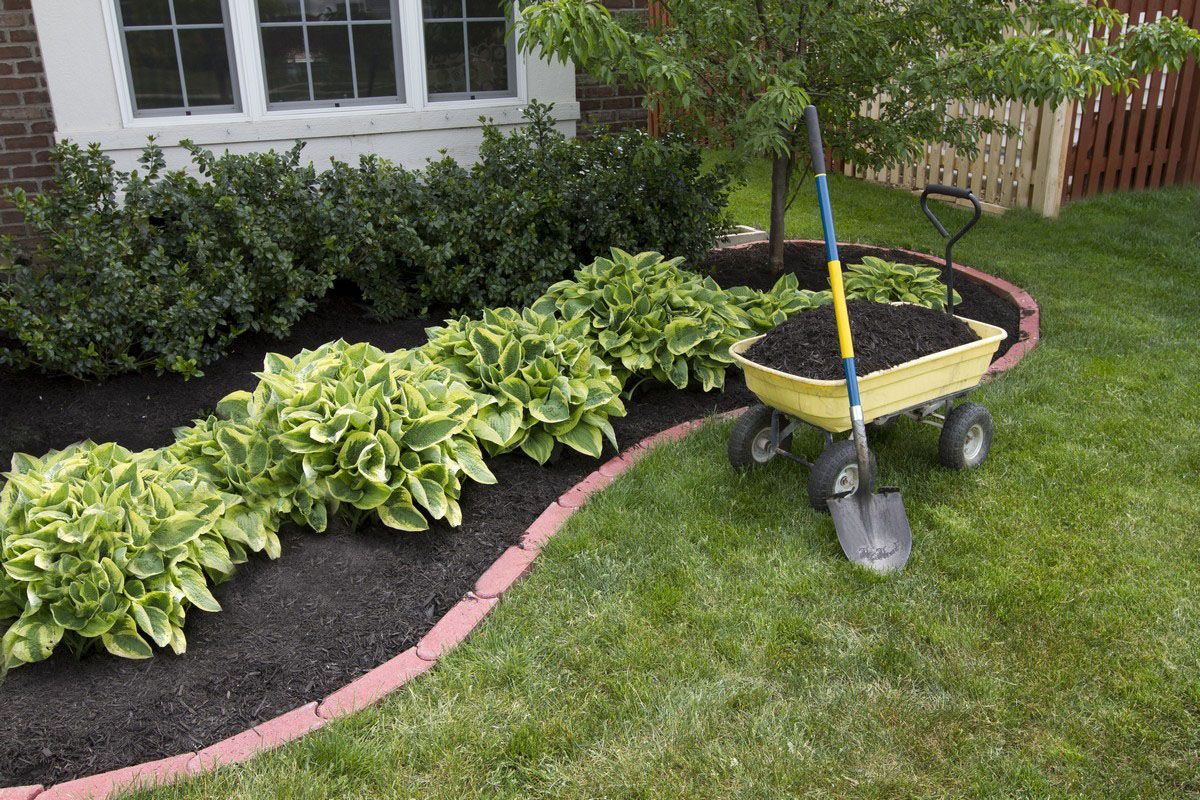
A vibrant green lawn frames your flower beds, mulched borders, and trimmed walkways, tying your entire landscape together from the street. Even the neatest mowing stripes and crispest lawn edging look incomplete when thinning grass or dry brown patches interrupt the yard. Consistent underground care keeps the surface looking lush, even, and well-tended through every season.
Making aeration part of your annual maintenance routine complements weekly mowing, spring and fall cleanups, and garden bed care seamlessly. When soil stays loose and healthy beneath the surface, every visible detail of your yard shines brighter and holds its color longer. Long-term turf health protects both your outdoor enjoyment and your property's overall curb appeal.
Healthy, resilient grass depends just as much on loose, breathable soil below the surface as it does on regular mowing and watering above ground. By relieving soil compaction, breaking down thick thatch layers, improving water absorption, boosting fertilizer uptake, and encouraging deeper roots, core aeration gives your turf the foundation it needs to stay thick and green year after year. Addressing packed soil during the ideal late-summer or early-autumn window crowds out stubborn weeds and prepares your yard to handle harsh winter freezes and hot summer afternoons alike. Consistent seasonal care turns thin, stressed grass into a lush lawn that elevates your entire landscape. Whenever you are ready to strengthen your turf with professional
aeration and complete lawn maintenance, reach out to Ground Control Landscape and Lawn Care online today.