November 25, 2026
As weather patterns become less predictable, homeowners are increasingly interested in landscapes that can withstand drought, frost, and other environmental challenges. Native plants offer an effective way to create outdoor spaces that remain attractive while supporting local ecosystems. Because these species have adapted to regional soil conditions, temperatures, and rainfall patterns, they often require fewer resources to thrive than plants from other environments.
Working with experienced landscaping contractors can help property owners select native plants that complement their surroundings and provide lasting environmental benefits. A thoughtfully designed landscape can improve biodiversity, conserve water, and maintain visual appeal throughout changing seasons. Native landscaping can also help properties remain functional and attractive as environmental conditions change over time.
Understanding Native Plants and Their Environmental Benefits
Native plants are species that naturally occur in a particular geographic region. They include trees, shrubs, grasses, and wildflowers that have adapted to local climate conditions over generations. Their established relationship with the surrounding environment makes them valuable additions to sustainable landscape designs.
Native plants also provide important ecological benefits by supporting birds, bees, butterflies, and other local wildlife. They offer natural food sources and habitats while helping maintain biodiversity. Because many native species are adapted to local pests and diseases, they may require fewer chemical treatments than non-native alternatives.
Choosing native plants can also reduce the resources needed to maintain an outdoor space. Species suited to regional rainfall patterns often need less supplemental irrigation once established. Their root systems can help stabilize soil, reduce erosion, and improve the overall health of the surrounding environment.
Selecting Native Plants for Drought-Prone Landscapes
Drought-resistant plants have developed several characteristics that help them survive with limited water. Some have deep root systems that reach moisture farther below the soil surface, while others have waxy leaves or fine hairs that reduce water loss. Certain species also enter periods of dormancy during extended dry conditions, allowing them to conserve energy until rainfall returns.
Selecting appropriate plants requires an understanding of regional climate conditions, soil composition, and sunlight exposure. Native species that thrive in naturally dry environments can be especially valuable for properties that experience extended periods without rainfall. Professional landscaping contractors can evaluate these conditions and recommend plant varieties that are suited to the property's specific environment.
Several native plants offer both drought resistance and attractive seasonal displays. Yarrow produces clusters of colorful flowers and grows well in well-drained soil, while California lilac provides attractive blooms that support beneficial insects. Desert marigold is another option for suitable regions, offering bright yellow flowers and strong tolerance for dry conditions.
Choosing Frost-Resistant Native Plants
Properties in regions with cold winters benefit from plants that can tolerate freezing temperatures and seasonal fluctuations. Frost-resistant native species have developed characteristics that help protect their tissues from cold exposure. Depending on the plant, these adaptations may include thick leaves, protective growth patterns, and seasonal dormancy.
Selecting plants suited to local hardiness zones is important when planning a landscape that will remain attractive throughout the year. Cold-hardiness information, regional botanical resources, and professional recommendations can help determine which varieties are appropriate. Experienced landscaping contractors can also account for differences in elevation, wind exposure, and drainage that influence how plants respond to winter conditions.
American holly is a popular native evergreen that provides year-round foliage and red berries during colder months. Eastern redbud offers colorful spring flowers and can tolerate a range of seasonal conditions once established. Serviceberry is another versatile option, producing spring blossoms, summer fruit, and attractive autumn foliage.
Designing Landscapes Around Native Plants
Native plants can be incorporated into landscape designs in ways that improve both appearance and environmental performance. Different species offer varying heights, textures, colors, and growth patterns, creating opportunities for layered outdoor spaces. Combining trees, shrubs, ornamental grasses, and groundcovers can produce a balanced landscape with visual interest throughout the year.
Plant placement also influences how a landscape responds to changing weather. Trees can provide shade that helps regulate temperatures, while shrubs may reduce wind exposure in certain areas. Groundcover plants can help protect soil from erosion and reduce moisture loss.
Layered planting arrangements can further improve the functionality of outdoor spaces. Groundcovers, flowering plants, shrubs, and taller trees occupy different levels, allowing the landscape to resemble natural ecosystems. These arrangements can support wildlife, improve soil stability, and create a more cohesive appearance.
Professional landscaping contractors can develop planting plans that balance these environmental benefits with the property's aesthetic goals. They can consider mature plant sizes, seasonal growth patterns, and the relationship between different species. Careful planning helps prevent overcrowding while ensuring that each plant has suitable conditions for healthy development.
Maintaining Healthy Native Plant Landscapes
Although native plants are often well adapted to regional conditions, they still benefit from appropriate maintenance. Seasonal pruning, plant health assessments, and monitoring for disease can help preserve their appearance and encourage healthy growth. Maintenance requirements vary depending on the species, age of the plants, and surrounding environmental conditions.
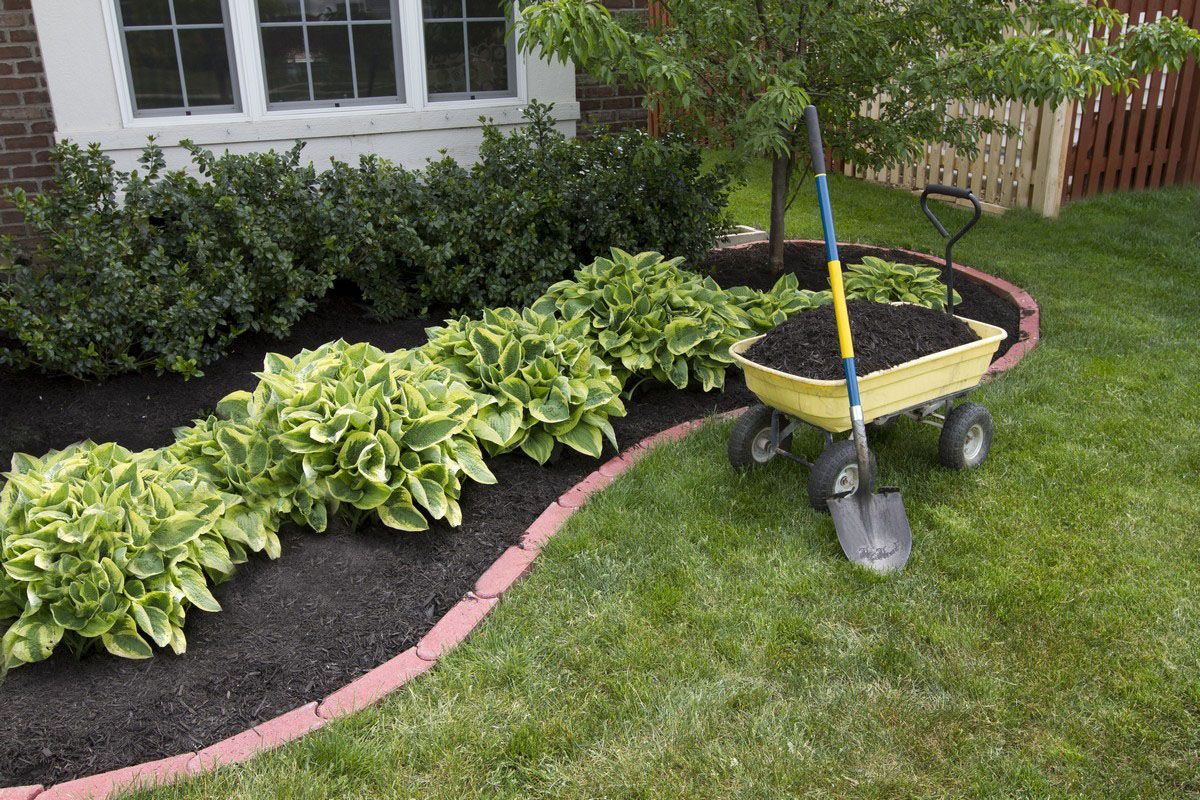
Soil health is another important consideration. Organic mulch can help regulate soil temperatures, retain moisture, and limit erosion around plant roots. Compost and other appropriate soil amendments can also support beneficial microorganisms and improve soil structure.
Native plants often attract beneficial insects that help maintain ecological balance. However, occasional pest or disease problems may still occur, making regular landscape assessments important. Professional maintenance services can identify potential concerns and determine appropriate treatments without unnecessarily disrupting the surrounding ecosystem.
Supporting Local Ecosystems Through Native Landscaping
Native plant landscaping benefits more than individual properties. These plants help create habitats for local wildlife, provide food for pollinators, and contribute to healthier natural environments. When multiple properties incorporate regionally appropriate vegetation, they can collectively support biodiversity across residential and commercial areas.
Community education also helps increase awareness of sustainable landscaping practices. Local environmental organizations, botanical gardens, and conservation groups often provide information about native species and their ecological importance. Public landscaping projects can further demonstrate how native plants contribute to attractive, environmentally responsible outdoor spaces.
The landscaping industry also plays an important role in expanding these practices. According to This Old House, over 1.3 million people are currently employed in the landscaping industry. This workforce of landscaping contractors also includes professionals who help property owners make informed decisions about plant selection, landscape design, and long-term property maintenance.
Creating a Sustainable Outdoor Space With Professional Landscaping
Native plants offer an effective way to create landscapes that are better prepared for drought, frost, and other environmental challenges. Their natural adaptations can reduce maintenance demands while supporting local wildlife and improving soil conditions. With the right combination of trees, shrubs, grasses, and flowering plants, property owners can enjoy outdoor spaces that remain attractive across multiple seasons.
Working with knowledgeable landscaping contractors makes it easier to develop a design that reflects local environmental conditions and individual property needs. From selecting appropriate native species to planning planting arrangements and maintaining established landscapes, professional services can help protect the long-term value of an outdoor investment. A well-planned landscape should also complement the property's architecture and existing outdoor features. Plant placement, seasonal color, and the balance between open spaces and shaded areas all contribute to the finished appearance. Experienced landscaping contractors can bring these elements together to create an outdoor environment that supports both practical needs and long-term sustainability. Ground Control Landscape and Lawn Care can help property owners create attractive outdoor environments that complement their properties and surrounding ecosystems. Contact Ground Control Landscape and Lawn Care to discuss professional landscaping services and develop a landscape designed for lasting beauty, functionality, and environmental resilience.